Commercial Cleaning Authority
Your business requires regular cleaning scheduled according to risk factors, operational volume, allergen concerns, and health inspections, plus verification documentation supporting HACCP compliance, inspection results, and government health requirements. The following sections describe critical cleaning system elements.
Essential Summary
- Brampton sanitation experts assist restaurants, grocery departments, commissaries, warehouses, bakeries, schools, mobile vendors, and allergen-sensitive operations.
- They clean high-touch surfaces, food-contact equipment, kitchens, floors, drains, restrooms, and storage areas using zone-based workflows to eliminate cross-contamination.
- Approved sanitizer dilution, suitability, and exposure duration are verified by qualified providers, with conclusion filed via checks, audits, and corrective-action records.
- Effective maintenance schedules take into account hazard, production rate, format changes, spills, and regulations when distributing regular, weekly, and periodic duties by section.
- Coverage, color-coded equipment, HACCP, sanitation understanding, WHMIS education, testimonials, and compliance-ready hygiene records are essential contractor qualifications.
Brampton Operations That Need Food Safety Cleaning: Which Ones?
You must maintain food safety cleaning if your operation is subject to health department oversight, food standards, or HACCP requirements. This covers food venues, break rooms, food centers, supermarket areas, butcheries, seafood displays, shops, and commercial food prep.
You also need compliant food safety cleaning in supply warehouses, manufacturing facilities, refrigerated storage, bakeries, school feeding programs, reception facilities, and delivery centers. Temporary and mobile establishments count too, including catering vehicles, market vendors, and seasonal stalls. If your staff work with raw supplies, divide prepared foods, warm dishes, or organize allergen inventory, your facility needs documented cleaning protocols. In Brampton, hygiene isn't voluntary; it's part of legal, operational, and consumer protection compliance.
What Do Brampton Cleaning Experts Clean?
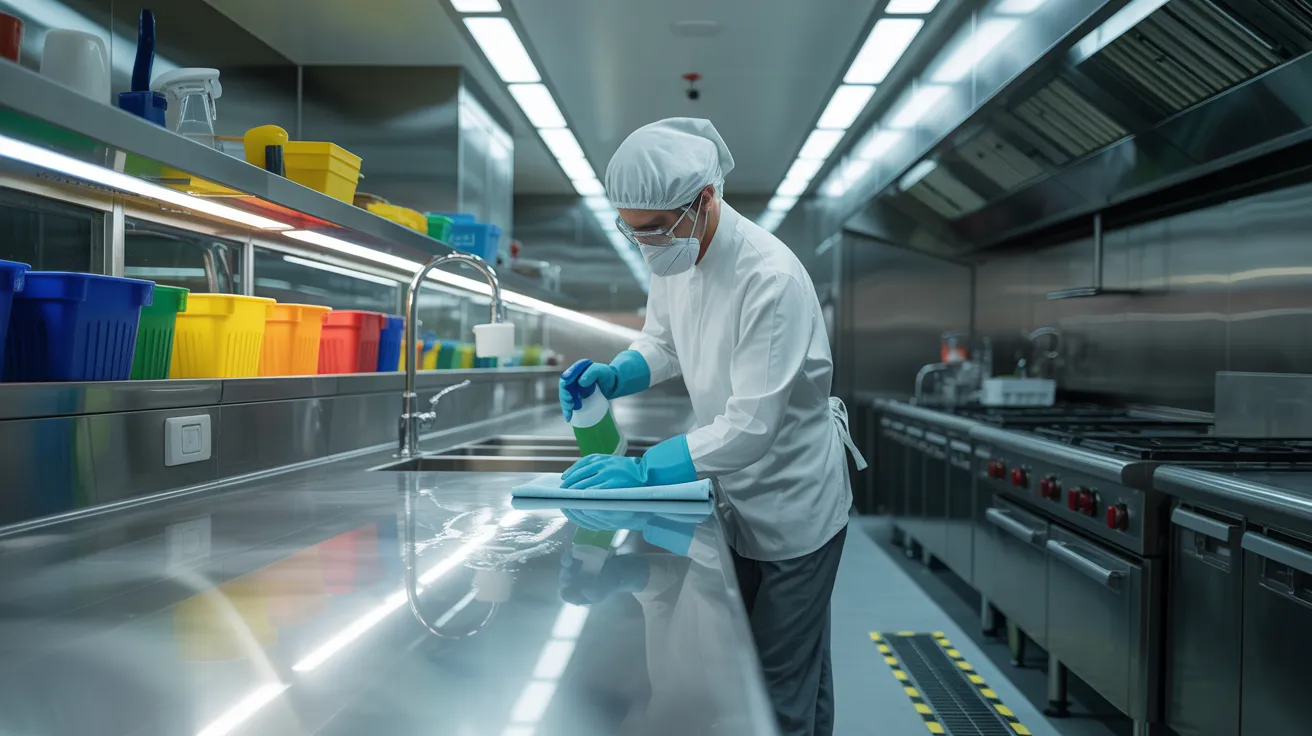
Professional cleaning teams specializing in Brampton disinfect high-contact surfaces, food preparation areas, floors, and restrooms to satisfy food safety standards and health requirements. Emphasis on these spaces stems from extreme cross-contamination risk, injury hazards, and possible regulatory violations.
When you understand what they clean, you can ensure your operation's cleaning procedures satisfy compliance and operational standards.
High-Touch Surface Cleaning
assign how often each zone is sanitized
swapping cloths consistently, implementing sequential systems, and dividing disinfection materials by section. These measures keep your sanitizing protocol documented, well-documented, and ready for inspection continuously.
Food Prep Areas, Flooring, and Sanitary Facilities
Brampton cleaning services focus on kitchens, floors, and restrooms as each zone involves distinct sanitation, accident, and wellness risks. In industrial kitchens, you need degreasing on cook lines, equipment exteriors, drains, prep surfaces, and splash zones to minimize contamination and pest pressure.
Floor care that is documented should also be anticipated. Technicians clean and remove buildup from tile grout, ceramic surfaces, and vinyl floors, then apply suitable dehydration methods so you can limit falls and meet regulatory standards. They also handle entryways where moisture and debris migrate indoors.
Restroom cleaning involves disinfecting surfaces, fittings, separators, dispensers, and containers, restocking supplies and controlling odours. They also service restaurant moprooms, where chemical storage, sink hygiene, and drainage conditions can affect sanitation compliance and staff safety daily.
The Importance of Food Safety Cleaning in Brampton
To adhere to regulatory mandates and pass inspections, Brampton establishments must maintain food-safe cleaning standards. You also reduce cross-contamination by cleaning and sanitizing food-contact surfaces, equipment, and high-touch areas correctly. Most importantly, you help protect community wellness by reducing the chance of food poisoning in your establishment.
Regulatory Code Requirements
Because Brampton food establishments operate under mandatory safety protocols, food safety cleaning directly determines your capability to fulfill health code requirements, defend customers, and eliminate enforcement action. You must maintain sanitized food contact points, verifiable cleaning logs, appropriate product handling, and verifiable staff procedures that comply with municipal and provincial inspection expectations.
Retaining strong cleaning records demonstrates due diligence for inspection audits and shows that your operations are reliable, replicable, and monitored.
Cross-Contamination Avoidance
Adhering to regulatory guidelines requires your expertise in stopping cross-contamination throughout routine preparation and sanitation work. You need to separate raw ingredients from ready-to-eat foods, sanitize work stations after each task, and store cleaning supplies separately from food. Structured procedures reduce transfer risks and ensure consistent compliance during inspections.
Building allergen segregation prevents key allergens from reaching shared surfaces, containers, or equipment. Leverage separate cutting boards, colored implements, and precise instrument labeling so staff don't mix items in cooking or serving.Enforce handwashing after handling uncooked meats, shellfish, egg items, or allergen substances. Swap wiping cloths regularly, and confirm sanitizer strength with test strips. When you train staff to follow these controls every shift, you create a cleaner, safer operation that exceeds Brampton's safety standards daily.
Public Health Safeguarding
When food safety cleaning fails, you don't just face inspection failure—you increase the chance of foodborne illness impacting customers, staff, and the wider Brampton community. You also weaken your role in safeguarding community wellness, especially in busy food facilities where pathogens travel quickly through surfaces, equipment, and touchpoints.
You must implement sanitation protocols that eliminate contaminants, effectively sanitize, and ensure effectiveness. This entails adhering to contact periods, utilizing authorized sanitizers, recording schedules, and coaching staff to fulfill health-unit expectations. These actions support pathogen control by suppressing pathogens before contaminating food or hands. In Brampton, robust sanitation protects at-risk groups, curtails outbreak likelihood, and demonstrates accountability. When you maintain standards, you go beyond regulations—you substantially reduce risk and advance safer food handling throughout the city.
Why Is Cleaning Essential for Food Safety Compliance?
Comprehensive cleaning schedules strengthen food safety compliance by lowering contamination exposure, controlling pathogen growth, and positioning your facility in accordance with sanitation requirements under HACCP-based programs and public health regulations. You validate that contact surfaces appear visibly clean and microbiologically controlled, facilitating documented preventive controls and inspection readiness.
Systematic cleaning also solidifies allergen mitigation by clearing residues that can provoke undeclared allergen exposure. When you match established sanitation practices with safety training, your staff can adhere to standardized methods, handle approved chemicals appropriately, complete records correctly, and handle discrepancies before problems worsen. Systematic cleaning facilitates traceability, verifies remediation efforts, and shows commitment throughout audits. Furthermore, it aids you protect product integrity, maintain compliance standards, and minimize the chances of punitive measures, recalls, customer complaints, and avoidable safety threats.
What's the Right Time to Plan Commercial Cleaning?
surfaces can build up contamination
daily routines
Finding Quality Brampton Cleaning Experts: A Guide
Start by screening providers against food sanitation standards, not price alone. You should verify that each company understands CFIA, public health, and HACCP compliance standards relevant to your facility. Ask for insurance documentation, WHMIS compliance, documented staff training, and supervision practices. Review whether technicians understand contamination prevention, chemical handling, and traceable sanitation records.
You should also assess business dependability and accountability. Request references from Brampton food businesses, then examine response times, corrective actions, and communication standards. Confirm the company supports supplier audits and can present inspection-ready documentation when regulators or third parties request evidence. Check whether equipment is maintained is performed, color-coded implements are used appropriately, and facility-specific risks are recognized. A competent service protects compliance, product quality, and your brand reputation.
Which elements are contained in a Food Safety Cleaning Plan?
Write out a plan that defines every sanitation activity, guideline, and role before production begins. You should record cleaning frequencies, approved chemicals, dilution rates, contact times, tools, and verification methods for each area, surface, and device. Remember to add pre-operational inspections, corrective actions, and employee training requirements.
Your plan should also include cross-contamination prevention, waste disposal, pest management measures, and scheduled documentation for bathrooms, drainage, ground surfaces, and food-handling zones. Specify how you'll distinguish raw from ready-to-eat operations, help with ingredient tracking, and copyright accurate allergen labeling through validated cleaning between product changes. You should define accountability, maintain signed records, and review results against regulatory standards, HACCP controls, and customer requirements. When gaps appear, adjust procedures immediately and re-educate staff.
Regular Asked Questions
Will sanitation providers handle nighttime hours at Brampton facilities?
Yes, you can arrange cleaning services to support overnight shifts in Brampton facilities. You'll coordinate nighttime cleaning around operational windows, access requirements, and personnel needs. Services typically establish nighttime procedures to minimize disruption, stay compliant, and track completed work. You should confirm arrival schedules, supervision, lockout protocols, and waste management before starting service.
Do Brampton cleaning experts provide emergency spill response solutions?
Yes, you can discover many Brampton cleaning professionals providing spill response services. They manage contamination, evaluate risks, isolate contamination, and begin swift decontamination to reduce risk and prevent business disruption. You should verify response rates, credentials, PPE measures, and disposal methods. If your facility must meet compliance standards, select read about this a service that documents events, adheres to standards, and ensures audit compliance.
Can eco-friendly disinfectants be applied securely on food preparation areas?
Definitely, plant-based sanitizers operate safely on food preparation areas if you purchase solutions certified for food use that adhere to regulatory standards. You ought to validate contact times, dilution ratios, and rinse protocols before use. Plant based formulas minimize chemical hazards, but you must have demonstration of efficacy against harmful bacteria. To preserve residue-free areas, implement manufacturer directions precisely and verify your sanitizer meets food sanitation requirements.
Will cleaning plans accommodate seasonal shifts?
Absolutely, cleaning plans are customizable for production fluctuations. Modify schedules, staff levels, chemicals, and verification steps to match seasonal workflows while sustaining regulatory adherence. Reduce production interruptions through scheduling disinfection amid equipment transitions, maximum output, and equipment use patterns. Also revise standard operating procedures, training, and facility monitoring to address periodic risks, additional allergens, or higher contamination levels. Frequent reviews preserve the schedule functional.
Do professional cleaning services train employees on sanitation best practices?
Absolutely, professional cleaning companies regularly deliver employee education on hygiene standards. Your team gets instruction on correct chemical handling, dwell times, contamination avoidance, machine takedown, and documentation. They generally match guidance with HACCP, GMP, and CFIA or local public health standards. Many also perform sanitation audits to verify compliance, identify gaps, and strengthen corrective measures. This enables you to sustain uniform standards, clear audits, and reduce food safety risks consistently.
Conclusion
Partnering with Brampton commercial cleaning and food safety experts goes beyond tidying—it ensures your facility stays inspection-compliant and your protocols are defensible. From kitchen areas to production zones, each cleaned area and maintained corner lessens contamination risk and prevents major expenses. By scheduling maintenance on appropriate schedules and implementing a thorough cleaning program, you shield staff, your customers, and your image. In a heavily regulated sector, clean environments can't be overlooked—they're critical to business success.